
Fear the God Who Forgives
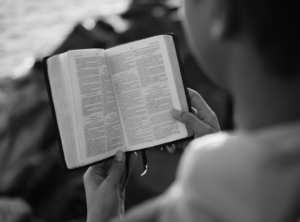
Consider the words of Psalm 130:3-4.
3 If you, O LORD, should mark Iniquities,
O LORD, who could stand?
4 But with you there is forgiveness,
that you may be feared.
Three important truths stand out in this short passage:
First, everyone is guilty of sin and worthy of condemnation. The psalmist is exactly right in verse 3. If the Lord should “mark” iniquities (meaning to record them and store them up against every person in preparation for judgment), no one could stand. All would be condemned.
Although it is not in view in this psalm, make no mistake: the Lord does mark iniquities for unbelievers. “Therefore, the wicked will not stand in the judgment, nor sinners in the congregation of the righteous” (Ps. 1:5, emphasis added). Because of their unbelief and their continuance in willful rebellion against God, they are “storing up wrath for [themselves] on the day of wrath when God’s righteous judgment will be revealed” (Rom. 2:5).
Believers — true followers of Jesus Christ — are the only ones whose iniquities are not “marked” by the Lord. As David wrote in Psalm 32:1-2, “Blessed is the one whose transgression is forgiven, whose sin is covered. Blessed is the man against whom the Lord counts no iniquity.” And as Paul made clear in Romans 4 when he quoted David’s words from Psalm 32, this blessing is received from God only through faith in Jesus Christ.
Second, there is forgiveness with God. Every sin is ultimately and supremely an offense against God. This is true whether or not the sin harmed another person. As David confessed to God in Psalm 51:4 after committing the sins of adultery and murder, by which other people were harmed, “Against you, you only, have I sinned and done what is evil in your sight.” God alone establishes the standard for righteousness, and God alone can forgive when his standard has been violated.
But God does not forgive even a single sin apart from justice being served for that sin. As Paul explained in Romans 3:26, God punished sin as sin deserves when he poured out his wrath on the appointed substitute, his only Son, the Lord Jesus Christ — the only human being in history who never sinned. On the basis of that single atoning sacrifice, God now forgives the person who has faith in Jesus.
The punishment for all other sins — the ones committed by people who never trust in Jesus — will be borne by the person who committed them. There is forgiveness with God, but God has not ceased to be just. The day of judgment is coming. Either the punishment for your sin was borne by Jesus on the cross (which you can be certain of if you are trusting in him for your eternal salvation), or you will bear it yourself in hell for all of eternity.
Third, God’s forgiveness produces reverent fear. People who are truly forgiven by God fear God. Given their reverent fear of him, they cannot go on casually or willfully sinning against him. The same reverent fear that compelled them to repent and believe, accompanied by their new love for Jesus (John 14:15), motivates them to obey him. Now that they understand how serious God is about sin, which God plainly demonstrated when he put Jesus to death on the cross, they simply cannot go on living according to the way of the world while flaunting God’s true standard of righteousness as revealed in the Bible. Instead, because they now truly know and love the God who has forgiven them, they fear and obey the God who has forgiven them.
Because the fear of God is the beginning of knowledge and wisdom (Prov. 1:7; 9:10), true believers seek to understand and submit to God’s wisdom as revealed in the Bible. Because they fear God, they hate evil and turn away from it (Prov.8:13; 3:7). Because they fear God, they love and honor other true believers who similarly fear him (Ps. 15:4). These are common characteristics for every Christian. As God promised through the prophet Jeremiah regarding every true believer, “I will put the fear of me in their hearts, that they may not turn from me” (Jer. 32:40).
The person who professes to be a Christian yet does not care to understand and submit to God’s wisdom as revealed in the Bible, does not hate and turn away from evil as described in the Bible, and does not love and honor other believers who do fear him in these ways, does not fear God. And where there is no fear of God, there is no faith in Christ. And where there is no faith in Christ, there is no forgiveness of sins.
